



The ripple effects of gambling on social dynamics
Gambling addiction can create significant rifts in personal relationships, affecting not only the individual but also family members and close friends. When someone struggles with gambling, the compulsive need to bet can lead to financial difficulties, emotional distress, and a breakdown of trust. Partners may feel neglected or betrayed, while children may suffer from the instability that accompanies financial crises. The ripple effects extend beyond the immediate family, as friends may also feel the strain of a gambler’s choices, often leading to isolation. Additionally, many individuals are exploring online options, such as betti casino uk, which can add another layer to the social dynamics involved.
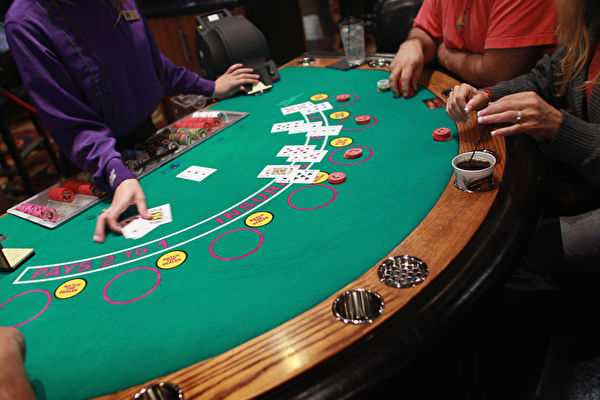
Furthermore, the psychological aspects of gambling addiction can lead to an environment filled with tension and anxiety. This can manifest in increased conflicts within households and social circles. Support systems may become strained as loved ones grapple with feelings of helplessness. As people lose touch with their social networks due to gambling, community ties can weaken, further exacerbating the individual’s sense of isolation and despair.
Communities are not immune to the economic fallout of gambling. Local economies can be significantly affected, with both positive and negative consequences. On one hand, gambling establishments can generate revenue, create jobs, and attract tourism. On the other hand, the increase in gambling can lead to higher rates of financial hardship and crime. As individuals gamble away their resources, local businesses may see a decline in patronage, particularly in sectors that rely on disposable income.
Moreover, public services may experience heightened demand as social issues related to gambling emerge. Governments may find themselves allocating more funds to mental health services, addiction recovery programs, and law enforcement initiatives aimed at addressing gambling-related crimes. This shift can strain public resources, making it crucial for communities to consider balanced approaches to gambling regulation and support systems.
Gambling often serves as a social activity, bringing people together in various settings, from casinos to online platforms. While it can foster camaraderie and shared experiences, it can also lead to unhealthy competition and peer pressure. For many, gambling is a way to bond with others, yet the nature of the activity can encourage risk-taking behavior that might overshadow healthier social interactions.
As people engage in gambling as a leisure activity, it can skew their social dynamics, potentially prioritizing betting over more fulfilling or constructive pastimes. This shift can create an environment where financial gain becomes a focal point, thereby altering traditional values of friendship and community involvement. Understanding this duality is essential for recognizing gambling’s complex role in social settings.
The psychological effects of gambling can be profound, influencing the mental well-being of both gamblers and their loved ones. Gamblers may experience feelings of euphoria when winning, followed by guilt and shame during losses. This emotional rollercoaster can lead to anxiety, depression, and an overall decline in mental health. Family members often bear the emotional burden, as they witness their loved ones struggle with addiction and its consequences.
Moreover, the stigma associated with gambling addiction can deter individuals from seeking help, further complicating the situation. Families may feel isolated and unsure of how to support their loved ones effectively. The tension and stress that arise from gambling-related issues can create a cycle of mental health challenges that affect not only the gambler but also the entire family unit, leading to a need for comprehensive support and intervention.

Betti Casino recognizes the importance of addressing the social dynamics associated with gambling by promoting responsible gaming. By providing resources and support for players, Betti Casino aims to foster a safe and enjoyable environment. Their commitment to responsible gaming includes offering tools for self-assessment, self-exclusion options, and access to information about addiction resources.
With a diverse selection of games, Betti Casino also encourages players to engage in gaming as a form of entertainment rather than a means of income. This approach helps create a balanced perspective on gambling, allowing individuals to enjoy the thrill without succumbing to negative social consequences. By prioritizing player safety and well-being, Betti Casino seeks to mitigate the ripple effects of gambling on social dynamics, ultimately contributing to healthier gaming experiences.